Pollution has become one of the biggest environmental problems around the world. It affects the air we breathe, the water we drink, and even the food we eat. While pollution may sometimes seem like a distant issue, it actually impacts everyday life in many ways.
From city smog to plastic waste in oceans pollution is becoming harder to ignore. Understanding how it affects the environment can help people realize why protecting nature is so important.
Air Pollution in Cities
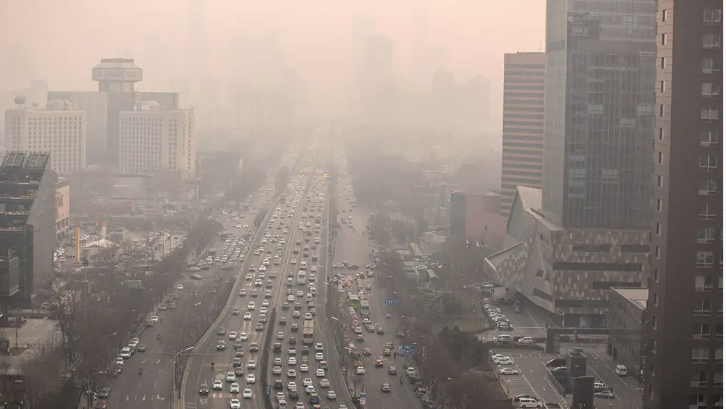
Air pollution is one of the most visible environmental problems. In many large cities, thick smog can often be seen hanging in the air. This pollution usually comes from vehicle emissions, factories, and power plants.
Breathing polluted air can cause serious health issues. Many people experience respiratory problems, allergies, or asthma due to poor air quality.
Air pollution also affects plants and animals. Some pollutants can damage crops and forests over time.
Water Pollution and Its Effects
Water pollution occurs when harmful chemicals or waste enter rivers, lakes, and oceans. Industrial waste, plastic trash, and agricultural chemicals are common sources.
Contaminated water can harm fish and marine life. It also affects people who depend on these water sources for drinking or fishing.
Plastic pollution has become a major problem in the oceans. Millions of tons of plastic waste enter the sea every year, harming marine animals that may swallow or become trapped in it.
Soil Pollution and Food Safety
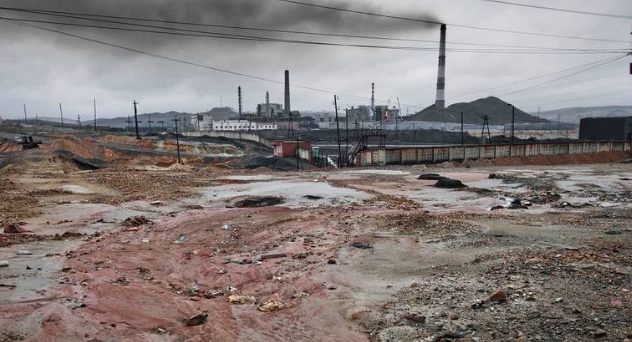
Soil pollution is another environmental issue that receives less attention but still has serious effects. Chemicals from pesticides, industrial waste, and improper waste disposal can contaminate the soil.
When soil becomes polluted, it may affect the crops grown in that land. Some harmful substances can enter the food chain and eventually reach humans.
Healthy soil is essential for agriculture and food production. Protecting soil quality helps ensure safe and nutritious food.
Everyday Sources of Pollution
Many common daily activities contribute to pollution. Driving cars, using plastic products, and generating household waste all have environmental impacts.
Improper disposal of electronics or batteries can release harmful chemicals into the environment. Even small actions like littering can accumulate over time and create larger problems.
Understanding these everyday sources helps people realize how their choices influence the environment.
The Importance of Environmental Awareness
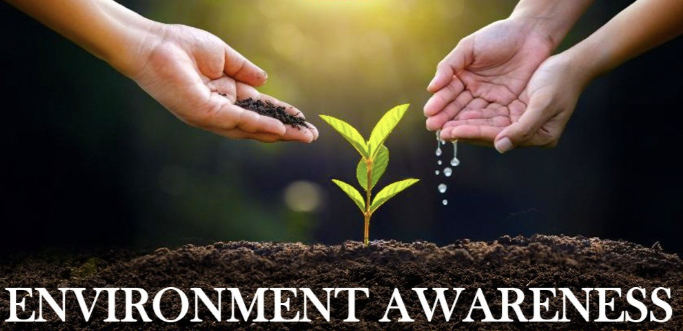
As pollution continues to increase, many communities are becoming more aware of environmental protection. Governments and organizations are introducing policies to reduce emissions and manage waste more effectively.
Education also plays an important role. When people understand the impact of pollution, they are more likely to support efforts that protect the environment.
Reducing pollution requires cooperation from individuals, businesses, and governments. Even small improvements can make a meaningful difference for the planet.