Fashion has always been an important part of culture and personal expression. People use clothing to reflect their identity, lifestyle, and creativity. However, the modern fashion industry has grown at a rapid pace, leading to increased production and consumption of clothing. This fast-paced system has created environmental challenges, including waste, pollution, and excessive use of natural resources.
Green fashion has emerged as a response to these concerns. Also known as sustainable fashion, it focuses on creating clothing in ways that reduce environmental damage while supporting ethical labor practices. Instead of producing large amounts of inexpensive clothing that is worn only a few times, green fashion encourages quality, durability, and responsible production methods.
As awareness grows about the environmental impact of clothing, many consumers are beginning to choose more sustainable fashion options.
Understanding the Problem of Fast Fashion
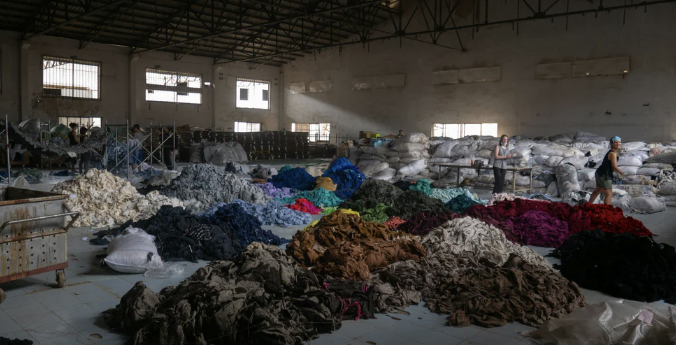
Fast fashion refers to the rapid production of inexpensive clothing designed to quickly follow current trends. Many brands release new collections every few weeks, encouraging customers to constantly buy new items.
This business model leads to overproduction and excessive waste. Many garments are worn only a few times before being discarded. Large quantities of clothing end up in landfills every year, where synthetic fabrics may take decades to break down.
The manufacturing process also uses large amounts of water, chemicals, and energy. Textile dyeing and fabric processing can release pollutants into rivers and soil if not properly managed.
Because of these environmental concerns, many experts believe the fashion industry must move toward more sustainable practices.
Sustainable Materials in Fashion
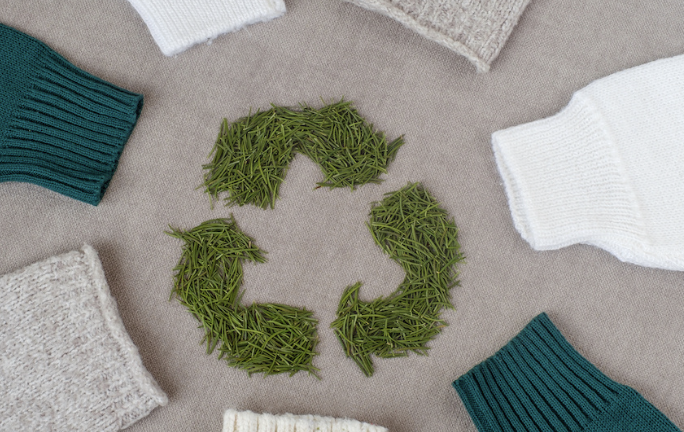
One of the key principles of green fashion is the use of environmentally friendly materials. Sustainable fabrics are produced with less water, fewer chemicals, and lower environmental impact.
Organic cotton is one example. Unlike conventional cotton, it is grown without synthetic pesticides or fertilizers. This helps protect soil health and reduces harm to farmers and surrounding ecosystems.
Other sustainable materials include bamboo, hemp, and linen. These fabrics require less water and can grow quickly without intensive chemical treatments.
Recycled materials are also becoming popular in sustainable fashion. Some clothing is now made from recycled plastic bottles or reused textile fibers. This approach helps reduce waste while conserving resources.
Ethical Production Practices
Green fashion is not only about environmental sustainability. It also focuses on fair labor conditions within the clothing industry.
Many clothing factories around the world employ workers in difficult conditions with low wages and long working hours. Sustainable fashion brands aim to improve these conditions by promoting fair wages, safe workplaces, and transparent supply chains.
Some brands partner with small local artisans or community groups, providing opportunities for traditional craftsmanship and ethical employment.
Consumers who support these brands help encourage more responsible practices across the industry.
The Role of Consumers in Sustainable Fashion

Consumers play a powerful role in shaping the fashion industry. Every purchase sends a signal about what types of products people value.
Buying fewer but higher-quality clothing items is one way to support sustainable fashion. Durable garments can last many years when properly cared for.
Repairing clothing instead of replacing it is another helpful habit. Simple repairs such as sewing buttons or fixing small tears can extend the life of garments.
Shopping at thrift stores or buying second-hand clothing also reduces demand for new production while giving garments a second life.
These choices contribute to a more sustainable approach to fashion consumption.
The Growth of Eco-Conscious Fashion Brands
In recent years, many new fashion brands have emerged with sustainability as a central focus. These companies often prioritize eco-friendly materials, ethical manufacturing, and transparent supply chains.
Some brands also design clothing with durability and timeless style in mind. Instead of producing trendy items that quickly go out of fashion, they focus on classic designs that remain wearable for years.
Technology is also helping improve sustainability in fashion. Innovative fabrics made from recycled fibers or plant-based materials are becoming more common.
These developments are helping reshape the future of the fashion industry.
Conclusion
Green fashion represents a shift toward more responsible clothing production and consumption. By focusing on sustainable materials, ethical labor practices, and durable designs, the fashion industry can reduce its environmental impact.
Consumers also play an important role in this transformation. Choosing quality clothing, supporting ethical brands, and reducing unnecessary purchases all contribute to a more sustainable future.
As awareness continues to grow, green fashion is becoming an important movement that encourages people to rethink how clothing is produced, purchased, and used.