The fashion industry has always been an important part of culture and self-expression. Clothing allows people to show their personality, creativity, and style. However, the rapid growth of the fashion industry has also created serious environmental and social challenges. Fast fashion, which focuses on producing inexpensive clothing quickly, has contributed to large amounts of waste, pollution, and resource consumption. Because of these concerns, green fashion has emerged as a more responsible approach to clothing production and consumption.
Green fashion, also known as sustainable fashion, focuses on creating clothing that is environmentally friendly and ethically produced. It encourages the use of sustainable materials, responsible manufacturing processes, and fair labor practices. Instead of constantly buying new clothing items that are worn only a few times, green fashion promotes durability, quality, and thoughtful purchasing decisions.
Many consumers are now becoming more aware of how their clothing choices affect the planet. By choosing sustainable fashion options, people can reduce environmental damage and support a more ethical fashion industry.
Environmental Impact of Fast Fashion

Fast fashion has dramatically increased clothing production over the past few decades. Brands often release new collections every few weeks, encouraging consumers to buy more clothing than ever before. As a result, millions of garments are produced each year, many of which are discarded after only a short period of use.
The production of clothing requires large amounts of water, energy, and chemicals. Cotton farming, for example, consumes significant water resources, while synthetic fabrics are often produced using petroleum-based materials. Dyeing processes can also release harmful chemicals into rivers and ecosystems.
When clothing is thrown away, it often ends up in landfills. Many fabrics take years to decompose, and synthetic materials may never fully break down. This growing waste problem has made sustainable fashion an important solution for reducing environmental harm.
Sustainable Fabrics and Materials
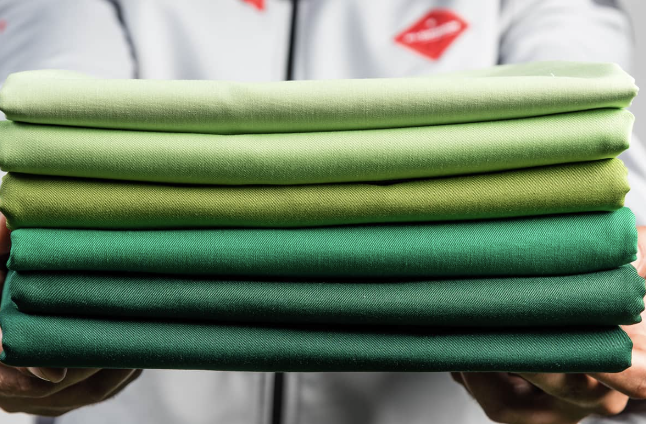
One of the key aspects of green fashion is the use of environmentally friendly materials. Sustainable fabrics are produced using methods that minimize harm to the environment while conserving natural resources.
Organic cotton is one of the most popular sustainable fabrics. Unlike conventional cotton, it is grown without harmful pesticides or chemical fertilizers. This makes it safer for farmers and better for soil health.
Other sustainable materials include hemp, bamboo, and linen. These fabrics require less water and fewer chemicals during production. Hemp, in particular, is known for its durability and natural resistance to pests.
Recycled materials are also becoming increasingly common in fashion. Some clothing is now made from recycled plastic bottles or reclaimed textile fibers. This helps reduce waste and gives new life to materials that would otherwise be discarded.
Ethical Production and Fair Labor
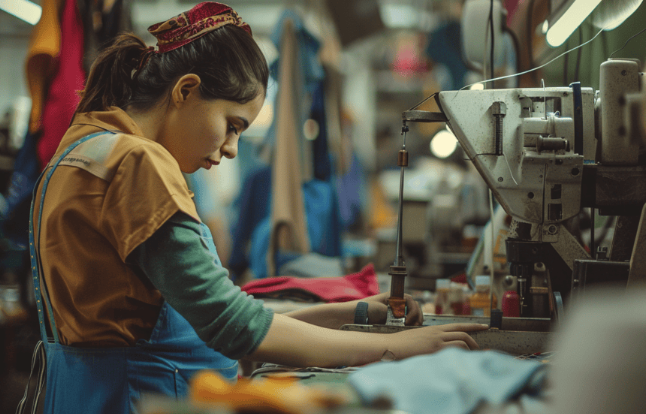
Green fashion is not only about protecting the environment but also about improving working conditions within the fashion industry. Many clothing factories around the world operate in difficult conditions, with workers receiving low wages and limited protection.
Sustainable fashion brands often prioritize ethical production practices. This includes fair wages, safe working environments, and transparent supply chains. By supporting these brands, consumers encourage better labor standards and responsible business practices.
Transparency is another important element of ethical fashion. Many sustainable brands openly share information about where their materials come from and how their products are manufactured. This allows consumers to make informed purchasing decisions.
The Concept of a Capsule Wardrobe
Another popular idea within green fashion is the capsule wardrobe. A capsule wardrobe consists of a small collection of versatile clothing pieces that can be mixed and matched to create many different outfits.
Instead of owning dozens of items that are rarely worn, a capsule wardrobe focuses on quality essentials that remain stylish for many years. These pieces are often chosen for their durability, neutral colors, and classic designs.
This approach encourages mindful consumption and reduces the need for constant shopping. Many people find that a capsule wardrobe simplifies their daily routines while still allowing them to express personal style.
Second-Hand and Vintage Fashion
Buying second-hand clothing is another effective way to support sustainable fashion. Thrift stores, vintage shops, and online resale platforms offer a wide variety of pre-owned garments that can be reused instead of discarded.
Second-hand fashion reduces the demand for new clothing production and helps extend the life of existing garments. Many vintage items also feature unique designs and high-quality materials that are difficult to find in modern fast fashion.
Clothing swaps and donation programs also help keep garments in circulation, preventing unnecessary waste.
Conclusion
Green fashion represents an important shift toward more responsible clothing choices. By focusing on sustainable materials, ethical production, and mindful consumption, the fashion industry can reduce its environmental impact and support better working conditions.
Consumers play a crucial role in this transformation. Choosing durable clothing, supporting ethical brands, and exploring second-hand fashion are simple steps that can contribute to a more sustainable future.
As awareness continues to grow, green fashion is becoming more than just a trend. It is a long-term movement that encourages people to think carefully about how their clothing choices affect both the planet and the people who produce them.