The environment is the foundation of life, providing clean air, water, and natural resources. Protecting it is essential for future generations and the health of all living beings. Small, everyday actions can make a significant impact, from reducing waste to conserving energy and water.
Environmental awareness is growing as climate change, pollution, and deforestation threaten ecosystems. By adopting sustainable habits, individuals can reduce their ecological footprint and contribute to a healthier planet. Protecting nature benefits not only humans but also wildlife and biodiversity.
Simple practices such as recycling, using renewable energy, planting trees, and supporting eco-friendly products are effective ways to live sustainably. Education and awareness are crucial, as understanding environmental challenges leads to better personal and collective decisions.
Reducing Waste
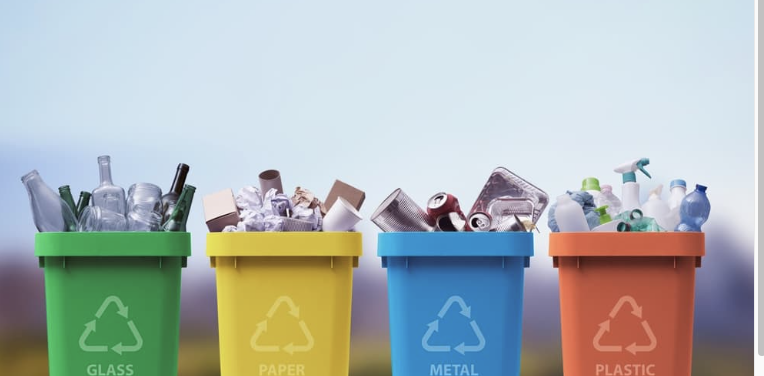
Waste reduction is one of the most effective ways to protect the environment. Reusing items, composting organic waste, and recycling plastics, paper, and metals help reduce landfill pressure.
Choosing products with minimal packaging or those made from recycled materials further decreases waste. Reducing single-use plastics, carrying reusable bags, bottles, and containers are small steps with a significant impact.
Conserving Water and Energy
Water and energy conservation are critical for sustainable living. Fixing leaks, using low-flow fixtures, and reducing water-intensive habits save resources.
Energy can be conserved by switching to LED lighting, unplugging devices when not in use, and using energy-efficient appliances. Renewable energy sources like solar or wind power further reduce environmental impact.
Supporting Green Initiatives

Supporting organizations, businesses, and policies that prioritize sustainability helps drive larger environmental change. Choosing eco-certified products, participating in community cleanups, and advocating for environmental policies contribute to collective action.
Education and community involvement amplify the impact, encouraging others to adopt environmentally responsible behaviors.
Protecting Natural Habitats
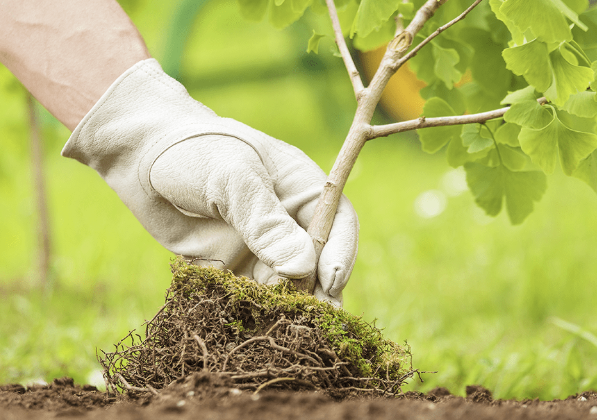
Preserving forests, wetlands, and oceans is vital for biodiversity. Planting trees, protecting wildlife habitats, and reducing pollution protect ecosystems.
Avoiding harmful chemicals, limiting deforestation, and supporting conservation programs ensure that natural habitats remain intact for wildlife and future generations.
Conclusion
Protecting the environment is both a responsibility and an opportunity. Simple actions like reducing waste, conserving resources, supporting green initiatives, and preserving habitats can create lasting positive effects.
Every small step contributes to a healthier planet. By adopting sustainable habits, individuals help safeguard natural resources, ecosystems, and the overall balance of the Earth.