Water is one of the most vital resources for life on Earth. It sustains ecosystems, agriculture, and human health. Despite its abundance, freshwater is limited, and many regions around the world face water scarcity. Climate change, pollution, and overuse of water resources have made conservation an urgent global concern.
Water conservation involves using water efficiently, reducing waste, and protecting natural water sources. Simple actions in daily life can collectively make a significant difference in preserving this precious resource.
Understanding the importance of water and adopting responsible habits helps ensure that clean water remains available for both people and the environment.
Why Water Is Essential
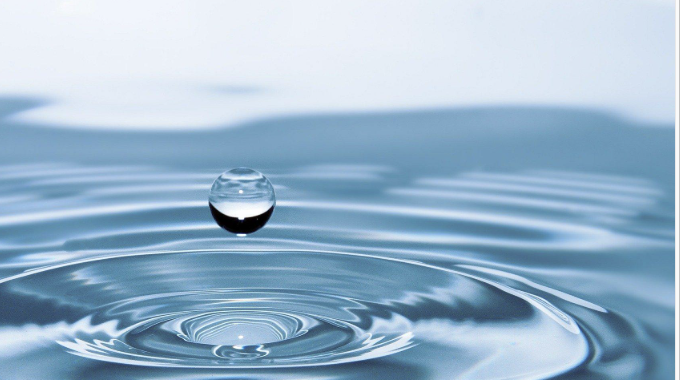
Water supports life in countless ways. Humans require it for drinking, cooking, sanitation, and hygiene. Agriculture depends on irrigation to grow food, and industries use water for manufacturing and processing.
Ecosystems, including rivers, lakes, wetlands, and forests, rely on water to sustain plants and wildlife. Water helps regulate the Earth’s climate and supports natural processes that purify air and soil.
Without sufficient water, food production, energy generation, and biodiversity are all threatened. Conservation is therefore critical to maintain ecological balance and human well-being.
Reducing Household Water Usage
Homes are major consumers of freshwater. Simple practices can significantly reduce water usage:
- Fixing leaks promptly prevents thousands of liters of wasted water annually.
- Installing low-flow faucets, showerheads, and toilets conserves water without sacrificing functionality.
- Collecting rainwater for gardening and cleaning reduces reliance on municipal water supplies.
- Running washing machines and dishwashers with full loads maximizes efficiency.
Small changes in everyday habits can have a large cumulative effect over time.
Water-Smart Gardening
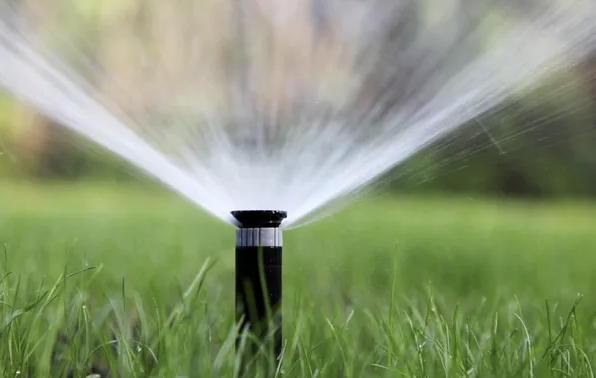
Gardening and landscaping can be water-intensive. Using native plants, which are adapted to local climates, reduces irrigation needs. Drip irrigation systems and mulching help retain soil moisture.
Avoid overwatering lawns and plants. Watering during early morning or late evening minimizes evaporation. Rainwater harvesting is another effective way to provide sustainable water for gardens.
These methods conserve water while maintaining healthy, vibrant gardens.
Protecting Natural Water Sources
Water pollution is a major threat to rivers, lakes, and groundwater. Chemicals, plastic waste, and untreated sewage can contaminate sources, making them unsafe for human and animal use.
Preventing pollution starts with the responsible disposal of household and industrial waste. Reducing chemical usage, properly disposing of medicines, and minimizing single-use plastics all help protect water quality.
Participating in community clean-up programs and supporting water conservation policies contributes to long-term environmental protection.
Education and Awareness
Raising awareness about water scarcity encourages more responsible use. Educational campaigns teach individuals, schools, and communities about the importance of conservation.
Understanding the global water cycle, local water challenges, and the impact of human activities helps motivate action. Schools and organizations often provide practical tips and initiatives that make conservation accessible to everyone.