Forests are among the most valuable ecosystems on Earth. They provide oxygen, regulate climate, support biodiversity, and supply resources that millions of people depend on every day. Despite their importance, forests around the world continue to face serious threats from deforestation, urban development, and industrial activities.
Protecting forests is essential not only for wildlife but also for human survival. Trees play a critical role in maintaining environmental balance, reducing pollution, and regulating global temperatures. Without healthy forests, ecosystems become unstable and many species struggle to survive.
Understanding the importance of forests can encourage individuals, communities, and governments to take steps toward conservation and sustainable use of natural resources.
Forests and Climate Regulation
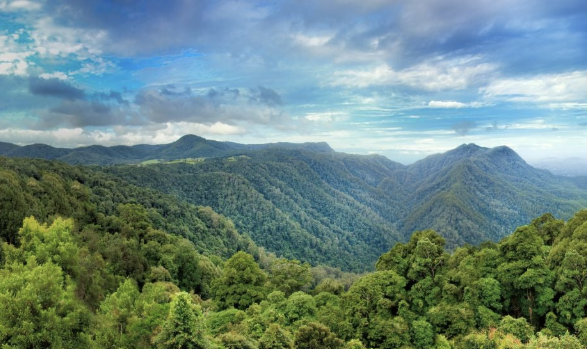
One of the most important roles forests play is regulating the Earth’s climate. Trees absorb carbon dioxide from the atmosphere during photosynthesis and release oxygen. This process helps reduce the amount of greenhouse gases that contribute to global warming.
Large forest regions such as the Amazon rainforest act as major carbon sinks. They store enormous amounts of carbon that would otherwise remain in the atmosphere. When forests are destroyed, this stored carbon is released, increasing climate change risks.
Protecting forests helps maintain this natural balance and supports global efforts to reduce greenhouse gas emissions.
Biodiversity and Wildlife Habitat
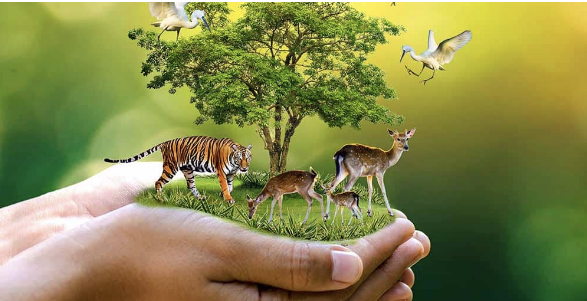
Forests are home to an incredible variety of plants, animals, and microorganisms. In fact, more than half of the world’s terrestrial species live in forest ecosystems.
These environments provide food, shelter, and breeding grounds for countless species. From insects and birds to large mammals, forests support complex ecosystems where each species plays a role in maintaining balance.
When forests are destroyed, many animals lose their habitats and may struggle to survive. Protecting forests helps preserve biodiversity and maintain healthy ecosystems.
Forests and Human Communities
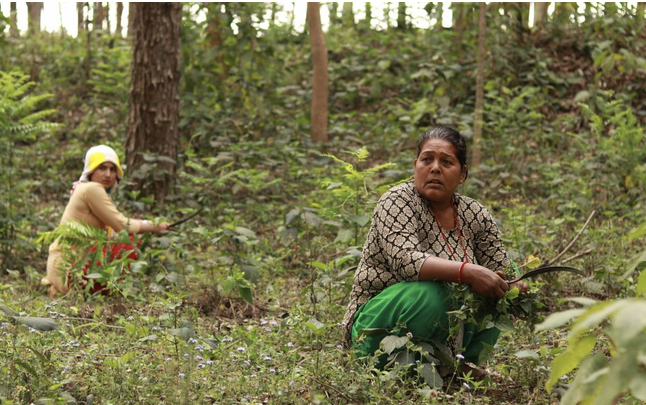
Forests are not only important for wildlife but also for millions of people around the world. Many communities rely on forests for food, medicine, and building materials.
Indigenous populations often depend on forests for their livelihoods and cultural traditions. Forest conservation helps protect these communities and ensures they can continue their traditional ways of life.
In addition, forests contribute to clean air, fresh water, and fertile soil, all of which support agriculture and human health.
Sustainable Forest Management
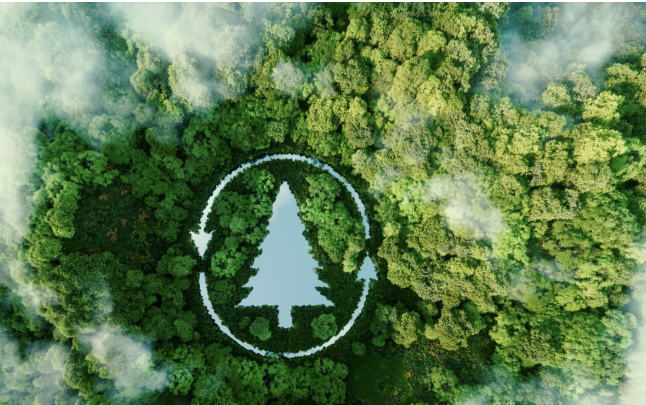
Sustainable forest management is an approach that allows forests to be used responsibly while preserving their long-term health. This involves carefully controlling logging activities, replanting trees, and protecting sensitive ecosystems.
Many governments and organizations promote sustainable forestry practices that balance economic needs with environmental protection. Certified wood products from responsibly managed forests allow consumers to support sustainable practices.
Choosing products made from sustainable sources helps reduce demand for destructive logging.
Reforestation and Conservation
Reforestation efforts play a key role in restoring damaged ecosystems. Planting trees helps rebuild habitats, prevent soil erosion, and improve air quality.
Many environmental organizations and governments support tree-planting campaigns to restore forests that have been lost due to deforestation or natural disasters.
Individuals can also participate by supporting conservation organizations, planting trees, and raising awareness about forest protection.
Conclusion
Forests are essential for life on Earth. They regulate climate, support biodiversity, and provide resources that humans rely on every day. Protecting these ecosystems is one of the most important environmental challenges of our time.