The fashion industry is one of the largest industries in the world. Every year, billions of clothing items are produced and sold. However, this massive production also creates environmental challenges. Green fashion has emerged as a response to these concerns.
Green fashion focuses on clothing that is produced in ways that reduce environmental damage. It also promotes ethical working conditions and responsible use of resources.
What Is Green Fashion

Green fashion is often called sustainable fashion. It involves designing, producing, and selling clothing with environmental responsibility in mind. Many sustainable brands try to reduce water usage, chemical pollution, and waste during production. They may also use recycled materials or organic fabrics. This approach aims to create clothing that has less impact on the planet.
The Environmental Impact of Fast Fashion
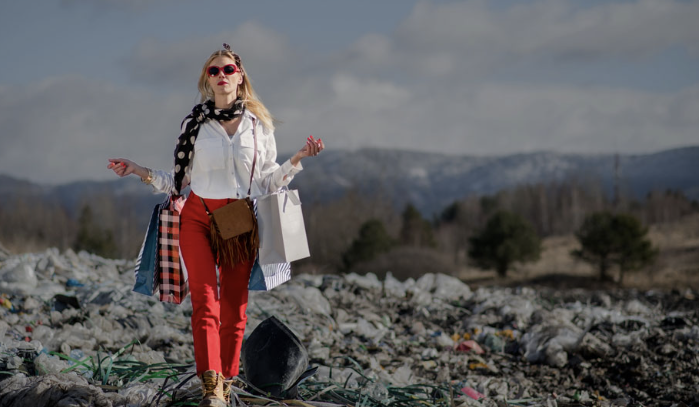
Fast fashion refers to inexpensive clothing that is quickly produced to follow new trends. While this makes fashion more accessible, it also leads to large amounts of waste.
Many fast fashion items are worn only a few times before being discarded. This results in huge amounts of textile waste in landfills.
Production processes may also use large amounts of water and chemicals, which can pollute rivers and ecosystems.
Sustainable Materials in Green Fashion
Green fashion brands often choose materials that are more environmentally friendly. Organic cotton is a common example because it is grown without harmful pesticides.
Other sustainable materials include recycled polyester, bamboo fibers, and hemp fabric. These materials may require fewer resources or produce less waste during manufacturing.
Using these materials helps reduce the environmental footprint of clothing production.
Ethical Production Practices
Green fashion is not only about materials but also about how clothing is produced. Many sustainable brands focus on fair wages and safe working conditions for workers.
Some companies also produce smaller quantities of clothing to avoid unnecessary waste. This slower production model contrasts with fast fashion’s rapid manufacturing cycles.
Consumers are increasingly interested in supporting brands that treat workers fairly.
The Growing Demand for Sustainable Clothing
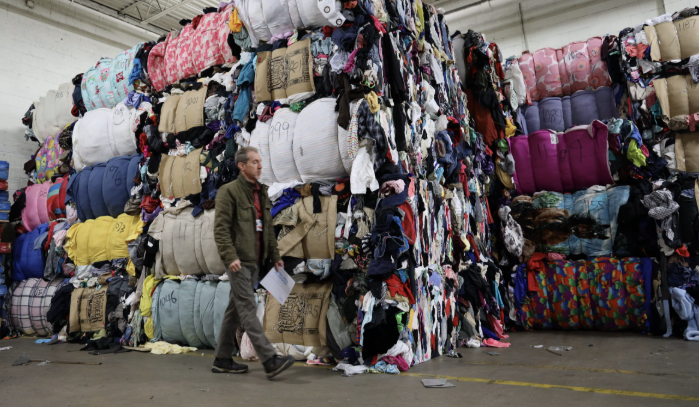
As awareness about environmental issues increases, more people are thinking carefully about their clothing choices. Many consumers now prefer quality items that last longer instead of buying large amounts of cheap clothing. Green fashion encourages people to buy fewer items but choose better quality pieces.
This shift may gradually change how the fashion industry operates. While sustainable fashion still represents a smaller portion of the market, its influence continues to grow as consumers demand more responsible production practices.