Clean beauty has become a popular topic in the skincare world over the last few years. Many people now read product labels more carefully and try to avoid harsh ingredients in their skincare products. The idea behind clean beauty is simple. It focuses on products made without harmful chemicals and ingredients that may irritate the skin or harm the environment. While the term sounds new, the concept itself has been around for a long time.
Many traditional beauty products contain chemicals that help improve texture, scent, or shelf life. However, some of these ingredients may irritate certain people. Clean beauty brands try to remove these questionable ingredients and replace them with safer alternatives.
What Clean Beauty Really Means
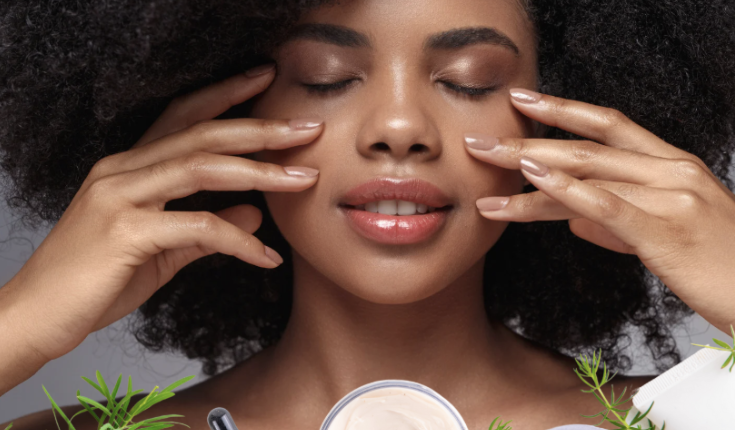
Clean beauty generally refers to skincare and cosmetic products that avoid ingredients believed to be harmful or toxic. These may include parabens, sulfates, synthetic fragrances, and certain preservatives. Instead, brands often use plant-based oils, natural extracts, and gentle formulas.
However, it is important to understand that clean beauty does not always mean completely natural. Some natural ingredients can still irritate the skin. The goal is not just natural products but safer and more skin-friendly formulas.
Many brands also focus on transparency. They clearly list ingredients and explain what each one does. This helps consumers feel more confident about what they are applying to their skin.
Why People Are Switching to Clean Beauty
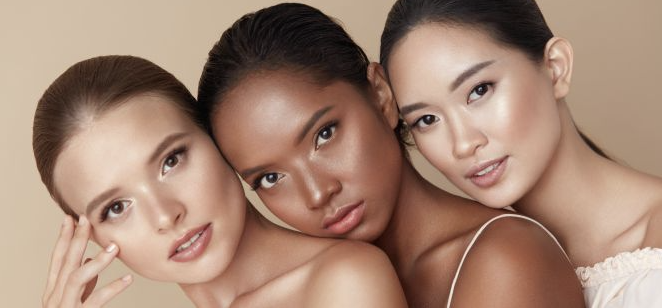
One big reason people are moving toward clean beauty is skin sensitivity. Many people experience redness, dryness, or breakouts when using products filled with strong chemicals. Cleaner formulas can sometimes reduce these issues.
Another reason is growing awareness about long term health effects. Some ingredients have been debated for years regarding their safety. Even though research is still ongoing many people prefer to avoid them just to be safe.
Environmental concerns also play a role. Clean beauty brands often try to use sustainable packaging and responsibly sourced ingredients.
Common Ingredients Clean Beauty Avoids
Several ingredients are often avoided in clean beauty products. Parabens are preservatives used in many cosmetics, but some people worry about their possible link to hormone disruption.
Sulfates are another common ingredient found in cleansers and shampoos. They create foam but may strip natural oils from the skin.
Synthetic fragrances are also avoided by many clean beauty brands because they can trigger allergies or skin irritation.
Instead, companies may use essential oils, botanical extracts, and natural moisturizing agents like shea butter or aloe vera.
Is Clean Beauty Always Better
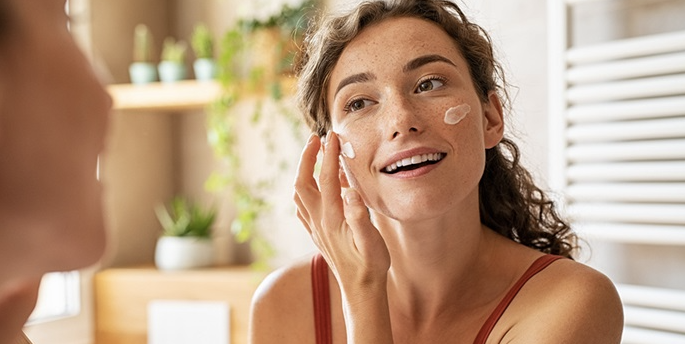
While clean beauty sounds appealing, it does not automatically mean a product is better for everyone. Skin types vary widely, and what works well for one person may not work for another.
Some natural ingredients can actually cause allergic reactions. Essential oils for example may irritate sensitive skin when used in high amounts.
In addition, the term clean beauty is not strictly regulated. Different brands may define it differently. That means consumers still need to read labels and understand what they are buying.
The Future of Clean Beauty
The clean beauty movement continues to grow as consumers become more informed about skincare ingredients. Many major beauty companies are now developing cleaner formulas to meet this demand.
Technology is also helping brands create safer and more effective ingredients. Scientists are finding new ways to produce gentle preservatives and sustainable materials.
For many people clean beauty represents more than just skincare. It reflects a broader shift toward healthier lifestyles and more responsible consumption. As awareness grows the beauty industry will likely continue moving toward safer and more transparent products.