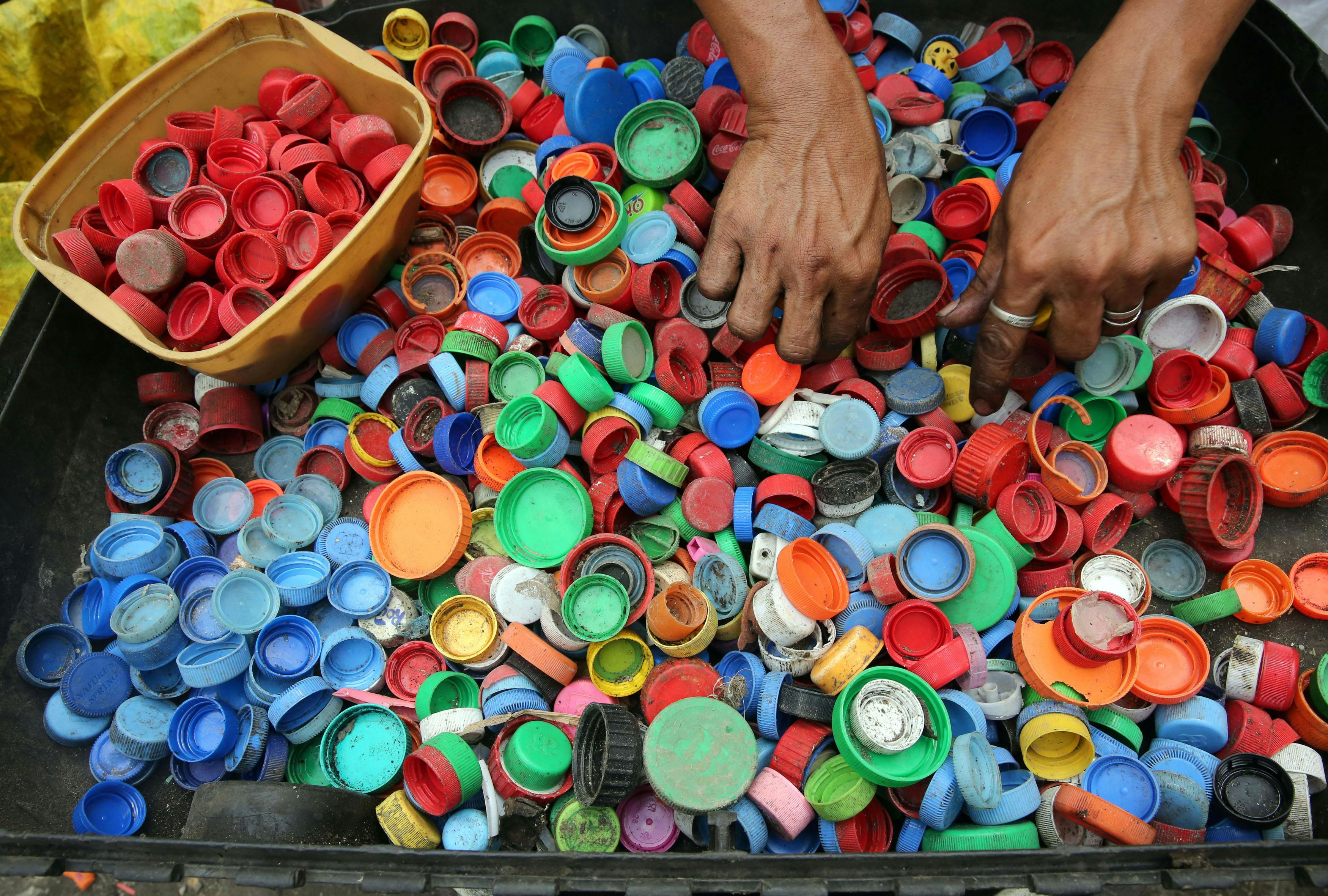
College life has a funny way of humbling you. One minute, you feel independent and unstoppable. Next, you're staring at your bank app, wondering how instant noodles became a lifestyle. I've spoken to students across campuses who want to live sustainably but assume zero-waste living is only for people with fancy jars and extra cash. This assumption couldn't be further from the truth. This guide focuses on Zero-waste Tips for Students With no Budget, using strategies that real students already practice.
Kitchen & Food
Smart Shopping Strategies for Students
Food is where most student budgets quietly bleed out. It's also where waste accumulates quickly. According to the USDA, American households waste about 30–40% of their food. Students contribute to that more than they realize.
Shopping bright starts before you enter a store. When I was in college, I noticed my grocery bill dropped simply by shopping once a week instead of every other day. Fewer trips meant fewer impulse buys and less spoiled food.
Mastering Food Waste Reduction
Food waste typically doesn't occur at the store. It happens in the fridge. Forgotten leftovers turn into science experiments faster than finals week stress.
A simple habit changed everything for me: leftovers go on the top shelf, not hidden behind condiments. When food is visible, it gets eaten. When it's hidden, it's discarded.
Freezing food is another underrated move. Bread, cooked rice, soups, and even chopped vegetables freeze well. One student I interviewed froze extra rice in flat zip bags and reheated portions over the following weeks.
Scraps matter too. Vegetable peels and onion skins can be used to make broth. Coffee grounds double as compost or fridge deodorizers. Even stale bread can become croutons with a bit of oil and salt.
If you've ever thrown food away because "it went bad," you're not alone. The trick is catching it before that happens. Your wallet will thank you.
Bathroom & Personal Care
Minimalist Hygiene
Personal care marketing convinces students they need a shelf full of products. Reality says otherwise. Dermatologists frequently confirm that basic hygiene routines outperform complicated ones. Fewer products also mean less waste and less spending.
Bar soap beats bottled body wash on every front. It lasts longer, costs less, and creates zero plastic waste. Many students report switching saves them around $60 per year. That's textbook money.
Reusable razors and menstrual cups also change the math fast. A 2022 study in the British Medical Journal found that menstrual cups save users up to $120 annually. For students, those savings add up quickly.
Cleaning Your Space, Not Your Wallet
Dorm rooms and shared apartments get messy fast. Cleaning doesn't need specialized sprays or disposable wipes.
White vinegar, baking soda, and dish soap handle almost everything. I watched a roommate clean an entire kitchen using those three items and an old T-shirt.
Universities often provide cleaning supplies in shared housing. Many students don't realize they're free to use. Ask your housing office before buying anything.
Old towels become cleaning rags. Newspapers clean mirrors surprisingly well. These tricks sound old-school because they work.
Academics & Campus Life
Paperless Perks
Paper waste adds up quietly. One study from the Environmental Paper Network found the average college student uses about 500 sheets per semester. That's a lot of trees for notes you may never read again.
Digital notes save paper and time. Apps like Notion, Google Docs, or even simple phone notes work well. I've seen students sync notes across devices and study anywhere.
Professors increasingly accept digital submissions. If yours doesn't, print double-sided and reuse scrap paper for drafts.
Campus printers often discard unclaimed pages. Check recycling bins near printers. You'll find perfectly blank sheets waiting for a second life.
Going paperless isn't just greener. It's lighter on your backpack and your stress levels.
Smart Shopping for School Supplies
Back-to-school shopping is full of traps. New notebooks look nice, but last semester's unused pages still exist.
Before buying anything, inventory what you already own. One student told me she found five unused notebooks in her closet. That's a semester's worth of notes.
Campus libraries often sell or give away supplies left behind during finals. Bulletin boards advertise free items more often than you'd expect.
Buy quality when possible, but only if it lasts. A refillable pen beats a pack of disposable ones every time.
School supplies don't need to be trendy. They need to work.
Wardrobe & Possessions
Sustainable Style on a Shoestring
Fast fashion targets students for a reason. Cheap clothes feel affordable until they fall apart.
Thrift stores near campuses are goldmines. I once bought a winter coat for $10 that lasted five years. Many students donate barely worn clothes during move-out week.
Clothing swaps are even better. Student organizations host them regularly. You bring what you don't wear and leave with something new to you.
Style doesn't require constant shopping. It requires creativity.
Furnishing Your Dorm or Apartment for Free
Furniture is expensive. Free furniture is everywhere if you know where to look.
At the end of each semester, students toss perfectly usable items. Desks, chairs, lamps, and shelves line sidewalks like an unofficial marketplace.
Facebook groups and campus forums often post "free stuff" listings. One student furnished an entire apartment without spending a dollar.
Ask graduating students what they're getting rid of. Most would rather give items away than move them.
If it's safe and clean, rescued furniture is a zero-waste win.
Leveraging Campus & Community Resources
University Initiatives
Many universities invest heavily in sustainability programs. Students rarely use them entirely.
Free bike repair stations, compost drop-offs, and reusable container programs are available on more campuses than you might expect. Some dining halls even offer discounts for bringing your own containers.
Sustainability offices host workshops with free food and giveaways. Show up, learn something, and leave with supplies.
If your campus has a green fund, apply for it. Students have funded gardens, refill stations, and clothing swaps through these programs.
You're already paying tuition. Use what it offers.
Student-Run Programs
Students help students better than any institution. That's why student-run initiatives work so well.
Food pantries on campus reduce waste and support tight budgets. According to the College and University Food Bank Alliance, over 800 campuses now have them.
Tool libraries, clothing closets, and textbook exchanges exist quietly in student centers. Ask around. Someone knows where they are.
Joining these programs also builds community. Zero waste feels easier when you're not doing it alone.
What resources does the campus offer that you've never used?
FAQs
What's the easiest place to start?
Start with food. Planning meals and eating leftovers makes the fastest financial impact.
Do zero-waste habits take more time?
At first, maybe. Over time, they simplify life and reduce decision fatigue.
Is it okay to buy nothing new at all?
Absolutely. Using what you already own is the most sustainable option.
How do I stay motivated as a student?
Focus on progress, not perfection. Every small change adds up faster than you think.
References
- Zero-waste Tips for Students With no Budget - https://ecofreek.com/biodegradable/zero-waste-living-on-a-student-budget
- University Food Bank Alliance - https://www.cccstudentmentalhealth.org/resource/college-and-university-food-bank-alliance-cufba/